How to Create SEO Content AI That Actually Ranks: A Practical Guide
I have spent the better part of a decade building affiliate websites, mostly the old way: writing every post myself, outsourcing to freelancers, and waiting months for traffic that sometimes never came. A few years ago, I started testing tools that let me create SEO content AI workflows, and the results changed how I think about passive income online. The key is not to let the AI do everything, but to build a system where each piece of content serves a real purpose for a search visitor.
When I first tried to create SEO content AI at scale, I made the mistake of feeding a keyword into ChatGPT and publishing the output raw. That content got indexed, but it rarely ranked. The missing piece was structure: real keyword research, competitor analysis, and on-page optimization after the draft was done. Today I want to walk through what actually works, based on what I have seen across dozens of sites, including those built with systems designed for non-technical creators.
Why Most AI Content Fails in Google Search
The biggest problem I see in affiliate content is that it sounds like a robot wrote it for other robots. Google Search Console will show you impressions but no clicks, and the reason is usually a lack of depth. Tools like Semrush and AHFS can tell you what keywords competitors rank for, but they cannot tell you what a human actually wants to read. That is where your judgment comes in.
I remember launching a site in the pet niche using a mix of Jasper AI and manual editing. The first batch of articles had good word counts and proper headings, but the bounce rate was over 80 percent. After digging into the analytics, I realized the content answered the query but did not satisfy the intent. Someone searching for "best dog harness for hiking" wants comparisons, sizing tips, and real-world use cases, not a generic list of features. I had to rewrite most of those posts and add personal notes about trail testing.
Building a Workflow That Works
The phrase "create SEO content AI" is often misunderstood as a single action. In practice, it is a pipeline with several stages. I start with keyword research using AHFS and Semrush to find long-tail terms with commercial intent and manageable difficulty. Then I move to content planning, where I study the top five results for each keyword and note what they cover and what they miss. This is where tools like Surfer SEO help, because they analyze word counts, heading structures, and keyword density of the top pages.

Once I have a brief, I use a combination of ChatGPT and Neural Text to generate the first draft. The trick is to give the AI a detailed outline with specific instructions about tone, structure, and the points that must be included. I also feed it the target keyword and related entities so the draft feels focused from the start. After the draft is done, I run it through ProWritingAid to catch grammar issues and improve readability.
Optimizing for On-Page Signals
Publishing content without basic SEO settings is like opening a store with no sign. I use Yoast SEO and RankMath to set meta titles, descriptions, and proper heading hierarchies. Both plugins give you a readability score and suggestions for improvement. I also use Link Whisper to build internal links between related posts, which helps distribute link equity and keeps visitors on the site longer.
One thing I learned the hard way is that internal linking matters more than most beginners think. A post that ranks well for a low-competition keyword can pull up other pages on the site. I have seen a single strong article lift the rankings of five or six related posts just through contextual links. That is why I always plan a content cluster before I create SEO content AI for a new niche.
Choosing the Right Affiliate Programs
All the traffic in the world does not matter if the monetization is wrong. For most affiliate sites, the best programs depend on the niche. Amazon Associates is the default for product reviews because of its massive catalog and trusted checkout. But for digital products and courses, ClickBank and ShareASale often have better commissions and longer cookie durations. I run sites in both models and have found that ClickBank works well for info-products, while ShareASale is strong for software and subscription services.
I once built a site entirely around Amazon Associates, and it performed well until Amazon cut commissions in several categories. That is why I now diversify. Every new site I launch includes at least two affiliate networks, and I always test a few offers before doubling down on one. The same principle applies to the content itself: if you rely on a single traffic source or a single monetization method, you are one algorithm update away from losing your income.
The Role of Authority and Backlinks
Getting backlinks to AI-generated content is harder than it used to be. Google has gotten better at detecting thin or automated pages, and link builders often avoid sites that look like they are publishing at scale. I have found that the only sustainable way to earn links is to create content that genuinely helps someone. Detailed guides, original research, and opinion pieces on industry trends can attract natural links if they are well written and promoted.
I have also used PBNs in the past, but I do not recommend them for long-term projects. The risk of a manual penalty is too high, and the effort of managing a private network takes away from content creation. Instead, I focus on guest posting on relevant blogs and participating in communities where my target audience hangs out. Sites like Authority Hacker have good resources on ethical link building, and I still reference their strategies when I launch a new site.
Tools That Save Time Without Sacrificing Quality
Over the past year, I have tested several platforms that promise to create SEO content AI end to end. Content at Scale was one of the first I tried, and it impressed me with its ability to generate long-form posts that include images and structured data. However, the editing time was still significant because the tone sometimes felt corporate. Jasper AI is better for shorter copy, like product descriptions and email sequences. For blog posts, I prefer a hybrid approach: draft with ChatGPT or Neural Text, then refine with Surfer SEO and a human touch.
WordPress remains my CMS of choice because of the plugin ecosystem. Yoast SEO and RankMath cover the basics, but I also use Link Whisper for internal linking suggestions and ProWritingAid for final proofreading. The combination of these tools lets me create SEO content AI that reads naturally and follows on-page best practices without spending hours on each post.
Measuring What Matters
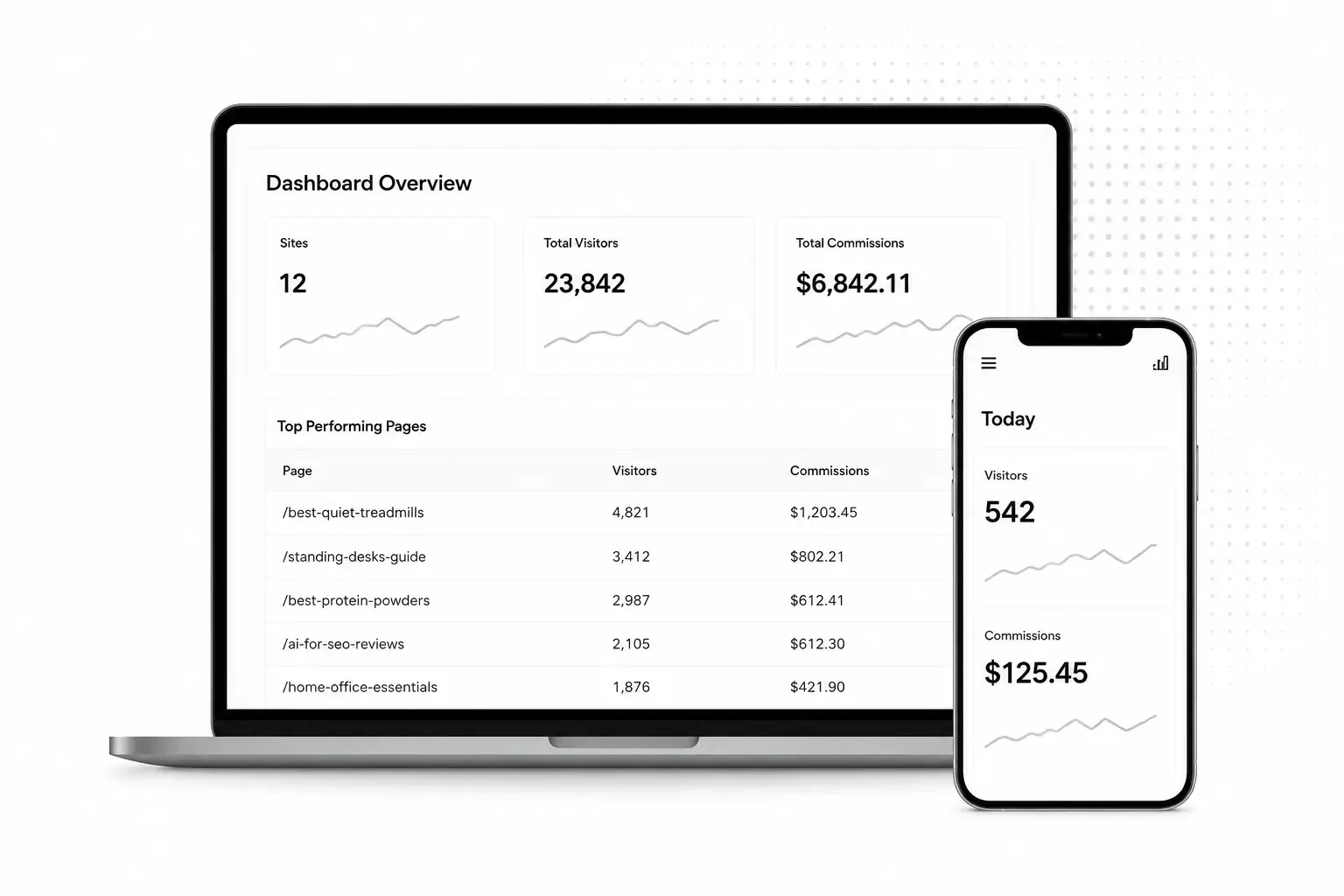
Traffic numbers can be misleading. A post that gets 500 visitors a month but converts at 3 percent is more valuable than a post with 5,000 visitors and a 0.2 percent conversion rate. I track everything through Google Search Console to see which queries bring clicks, and I use Semrush to monitor keyword movements over time. If a post starts losing rankings, I update it with fresh information, add new internal links, and sometimes rewrite the introduction to better match current search intent.

I also keep an eye on the affiliate networks themselves. Amazon Associates changes commission rates periodically, and ShareASale sometimes removes merchants that perform poorly. Staying on top of those changes helps me adjust my content strategy before revenue drops. For example, when Amazon reduced commissions for furniture, I shifted some of my home office posts to ClickBank products and replaced the affiliate links.
Final Thoughts on Building a Sustainable System
The dream of passive income from affiliate sites is real, but it requires consistent effort and a willingness to iterate. Tools like WebWiki and OpenAI make the initial writing faster, but the real value comes from the strategy behind the content. If you plan your site around a specific audience, research their questions, and build content that genuinely helps them make decisions, you do not need to be an influencer or a technical genius to succeed. You just need a system that lets you create SEO content AI efficiently and then refine it until it earns its place in search results.